
Key Coverages to Focus on When Comparing Manufactured Home Policies
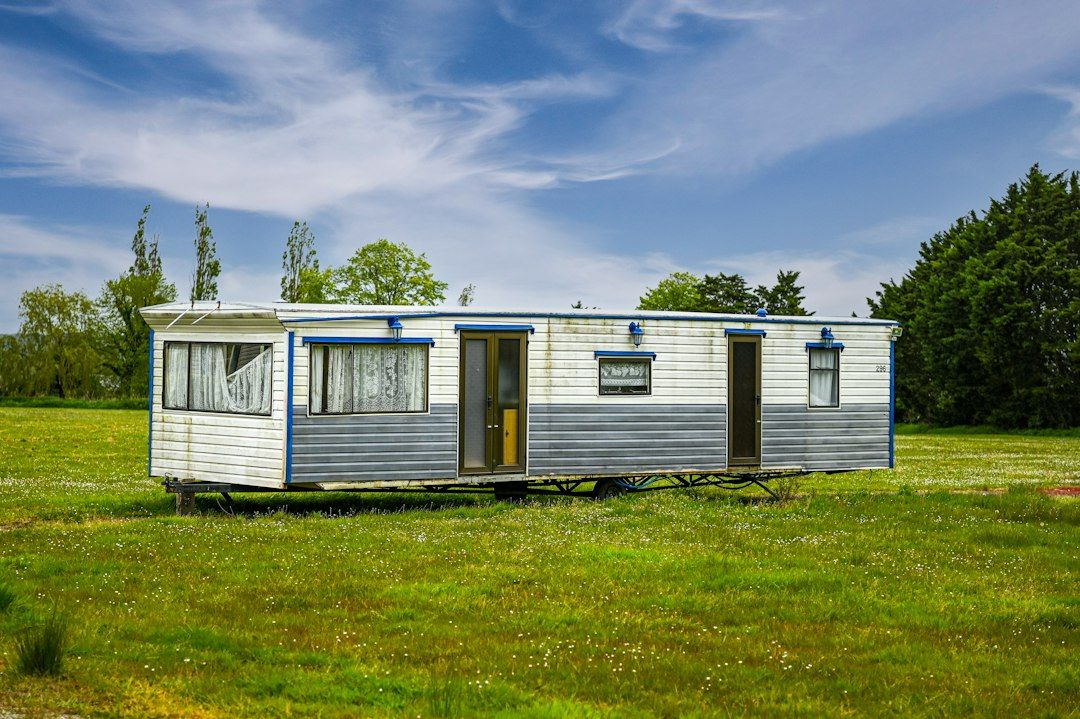
More than 22 million Americans currently live in manufactured homes, enjoying the benefits of affordable, highly customizable, and community-oriented living. Today, modern manufactured homes can rival site-built houses in quality and design, with some new models costing upwards of $300,000.
Home Insurance
By Matt Morand & Team · Published
8/4/2026
Introduction
More than 22 million Americans currently live in manufactured homes, enjoying the benefits of affordable, highly customizable, and community-oriented living. Today, modern manufactured homes can rival site-built houses in quality and design, with some new models costing upwards of $300,000. However, because these homes are constructed in factories and transported to their final locations, they come with a completely different set of structural characteristics and environmental vulnerabilities. If you are preparing to secure a new policy, you must understand that protecting these unique properties requires specialized knowledge.
At 5280 Insurance Agency, we believe that buying coverage should never be a blind transaction. Our mission is to serve as a Personal CFO for our clients, putting people first and money second. We want to help you create a long-term plan for financial peace by offering honest advice and tailored solutions. As a RamseyTrusted provider, we know that getting the details right today prevents catastrophic financial setbacks tomorrow. In this guide, we will walk you through the most critical coverage sections you need to prioritize to ensure your home, your family, and your financial future remain fully protected.
Overview: Why Manufactured Homes Need Specialized Protection
When you compare property insurance quotes, you might assume that a standard homeowners policy will cover any place you call home. This is a common and potentially costly misconception. Traditional site-built homes are typically insured under an HO-3 policy, while manufactured homes require an HO-7 policy. The distinction is not just a matter of paperwork. It is a fundamental difference in how insurance carriers assess structural risks and calculate payout limits.
The terminology itself carries specific legal and insurance definitions. A "mobile home" technically refers to a factory-built dwelling constructed before June 15, 1976. Homes built after that date must adhere to strict federal building standards established by the Department of Housing and Urban Development (HUD), and these are officially known as manufactured homes. Regardless of which term you use in casual conversation, insurance companies treat these factory-built structures distinctly from houses poured onto a permanent concrete foundation on-site.
How Is Manufactured Home Insurance Different From Standard Home Insurance? The answer comes down to risk. Manufactured homes are anchored to the ground differently, built with lighter materials for safe transit, and feature unique undercarriage designs. Because of these factors, they face a higher statistical vulnerability to severe wind, hail, and fire damage. When a severe storm rolls through, the forces acting on a manufactured home are entirely different from those acting on a traditional brick house. If your policy does not account for these exact engineering factors, a claims adjuster might eventually deny your payout based on incorrect policy forms or undisclosed structural details.
By prioritizing education and transparency, we help clients cut through the noise. We want you to look past the monthly premium and truly understand the mechanisms that will fund your recovery after a disaster.
Key Aspects: The Coverages You Cannot Afford to Ignore
When evaluating a mobile home insurance comparison, the lowest price is rarely the best value. The true quality of a policy is hidden in the fine print of its coverage sections. Here are the three most vital components you must review before signing any paperwork.
1. Replacement Cost Value Versus Actual Cash Value
The most significant financial decision you will make regarding your coverage is choosing between Replacement Cost Value (RCV) and Actual Cash Value (ACV). This single choice can dictate whether you recover fully from a disaster or end up thousands of dollars in debt.
Actual Cash Value factors in depreciation. It pays for the value of your damaged property based on its age and condition at the exact moment the loss occurs. For example, imagine a severe windstorm destroys the 15-year-old roof of your manufactured home. If replacing that roof costs $12,000 today, an ACV policy will not pay you $12,000. The insurance company will deduct 15 years of wear and tear, potentially leaving you with a check for only $5,000. You are then responsible for covering the $7,000 gap out of your own pocket.
Replacement Cost Value operates differently. An RCV policy does not subtract depreciation. It pays the actual cost to repair or replace the damaged property with materials of similar kind and quality at current market prices. Using the same roof example, an RCV policy would pay the full $12,000 repair bill, minus your standard deductible. Because material and labor costs fluctuate wildly, securing RCV coverage is the only way to guarantee you can rebuild without draining your emergency fund.
What Does Manufactured Homeowners Insurance Cover? You must verify this detail in the declarations page of your quote. Many basic policies default to ACV to make the premium look cheaper, leaving you deeply exposed.
2. Skirting and Tie-Down Systems
The aerodynamic properties of a manufactured home are unique. Because the home sits elevated on a steel chassis, wind can easily pass beneath the structure. In a severe storm, this creates upward lift, operating much like air passing under the wing of an airplane. To counteract this dangerous uplift, manufactured homes rely on specialized tie-down systems and skirting.
Tie-downs are heavy steel straps that anchor the home directly to the ground. Vertical straps resist the upward lifting force, while diagonal straps prevent the home from sliding sideways. Skirting is the protective barrier installed around the base of the home, blocking wind from getting underneath while also keeping out pests and freezing moisture.
From an insurance perspective, skirting and tie-downs are non-negotiable safety features. In fact, many carriers require proof of properly installed tie-downs that meet local codes before they will even issue a policy. If a storm damages your home and the claims adjuster discovers your tie-downs were missing, rusted, or improperly tensioned, the insurance company might deny your wind damage claim entirely. When reviewing your policy, verify that the skirting itself is covered against damage, and ensure you understand your carrier's exact maintenance requirements for your anchoring system.
3. Adjacent and Attached Structures
Most homeowners do not live in a bare rectangular box. Over time, you might add a beautiful wooden deck, a covered carport, an enclosed sunroom, or a detached storage shed. These upgrades significantly enhance your quality of life, but they can easily fall into a coverage gray area.
In a standard insurance contract, these additions fall under the "Other Structures" category. Typically, this coverage is capped at a strict percentage of your main dwelling limit (often 10 percent). If your home is insured for $100,000, you might only have $10,000 available for all other structures combined. If a heavy snowstorm collapses a $15,000 custom carport, you will be short on funds. Furthermore, you must ensure your carrier explicitly covers site-built attachments connected to a factory-built home. Clearly documenting every deck, shed, and porch with your independent agent is the only way to guarantee these investments are fully protected.
Insights: Pro Tips for Shopping Your Policy
We know that navigating the insurance market can feel overwhelming. Many consumers attempt to compare house insurance online by filling out quick forms on aggregate websites. While these tools can give you a baseline idea of market pricing, they often fail to ask the critical structural questions that dictate accurate manufactured home pricing. A generic online form might not ask about your specific foundation type, the year your roof was last replaced, or whether your home is located in a specialized wind zone.
As a multi-state independent agency, we frequently see the negative fallout of automated quoting. When you compare home owner insurance rates purely based on the final monthly number, you are usually trading away essential protections. We are not beholden to any one carrier, which means we can look at the fine print across multiple companies to find the coverage that actually fits your specific property and financial goals.
Location is another massive variable. A proper home insurance comparison by state is vital because the risks your home faces in the snowy mountains of Colorado are vastly different from the risks faced by a home in a tornado-prone midwestern state or a coastal hurricane zone. State laws also dictate different structural tie-down requirements and minimum liability limits.
Mobile and Manufactured Home Insurance Comparison for Multi-State Owners It is critical to work with an advisor who understands the local landscape. We take the time to evaluate factors like regional weather trends, local building codes, and community park requirements to ensure your policy does exactly what it is supposed to do.
Cost Factors for Manufactured Home Insurance Explained Understanding what drives your premium is the first step to controlling it. Factors like your claims history, the age of the home, the presence of safety devices like central fire alarms, and your choice of deductibles all play a role. A higher deductible can lower your monthly premium, but as financial coaches, we always advise clients to ensure they actually have that deductible amount sitting in a fully funded emergency savings account before making that choice.
Added-Value Section: Common Pitfalls and Hidden Risks
Even when clients carefully evaluate replacement costs and structural details, a few hidden risks frequently slip through the cracks. Addressing these elements head-on provides a much stronger safety net for your family.
First, understand that standard manufactured home insurance does not cover flood damage. If your home is located near a river, in a low-lying valley, or in a region prone to rapid spring snowmelt, surface water entering your home is excluded from your primary policy. You must purchase a separate flood insurance policy to protect your property from rising water. Because manufactured homes sit lower to the ground than many site-built homes with deep basements, they can be particularly vulnerable to flash flooding.
Second, consider the importance of Additional Living Expenses (ALE) coverage. If a devastating fire makes your home uninhabitable, you will need a place to live while the site is cleared and a new home is ordered from the factory. The timeline for manufacturing, delivering, and siting a new home can stretch into many months. ALE coverage pays for your hotel bills, temporary apartment rentals, and even extra food costs during this transition. Ensure your policy includes a generous time limit and monetary cap for these expenses.
Finally, do not underestimate personal liability coverage. If a guest trips on your stairs or a neighborhood child is injured while playing near your carport, you could face a financially crippling lawsuit. Liability coverage pays for legal defense fees and medical bills, protecting your income and your savings from being wiped out. As part of our RamseyTrusted approach, we strongly recommend carrying high liability limits, and possibly adding a personal umbrella policy, to shield your hard-earned wealth from unpredictable accidents.
Homeowners Insurance for Manufactured Homes: Complete Guide Reviewing these frequently missed areas with a professional ensures that your wealth building strategy is not derailed by an uncovered claim.
Conclusion
Insuring a manufactured home requires a sharp eye and a deep understanding of unique structural risks. From choosing Replacement Cost Value over Actual Cash Value, to verifying coverage for your tie-downs and custom carports, every detail in your policy matters. Relying on generic algorithms or chasing the absolute cheapest premium will inevitably leave you exposed to devastating out-of-pocket costs when disaster strikes.
At 5280 Insurance Agency, we are dedicated to helping you simplify the complex world of risk management. We believe in educating our clients first and selling second, acting as your Personal CFO to ensure your insurance plan perfectly aligns with your broader financial goals. By taking the time to thoroughly review your specific home, your location, and your long-term needs, we help you build a fortress around your wealth so you can live with absolute confidence and peace of mind.
Call to Action
Ready to take the next step? Sign up now to access exclusive insights tailored for your needs, or contact us today for a personalized quote that empowers your success. Let’s start your journey together! At 5280 Insurance Agency, our team is standing by to review your current manufactured home policy, identify any dangerous coverage gaps, and build a comprehensive strategy that protects your family and your future. As a RamseyTrusted provider, we are committed to delivering the clarity, honesty, and ongoing support you deserve. Reach out today, and let us show you the difference that true, values-driven guidance can make.
About the author
Matt Morand, CIC, CRM, LUTCF, and the 5280 team share practical guidance drawn from insurance, risk management, financial services, and client education experience.
Have a question about this topic?
Talk with the 5280 team about the context, tradeoffs, and next step that fit your situation.