
What Does Manufactured Homeowners Insurance Cover?
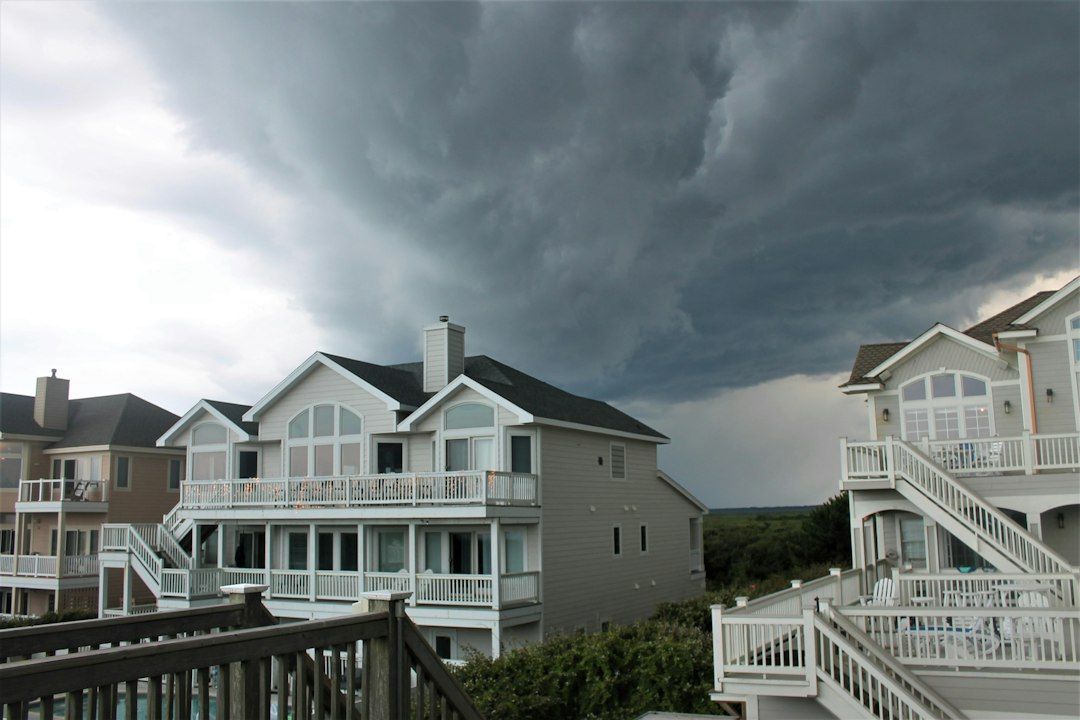
When a summer storm rolls over the Front Range, manufactured homeowners ask a simple yet urgent question: what does manufactured home insurance cover? In practical terms, the policy safeguards four pillars of your finances — structure, contents, liability, and temporary living costs if the home becomes uninhabitable.
Home Insurance
By Matt Morand & Team · Published
10/14/2025
Introduction
When a summer storm rolls over the Front Range, manufactured homeowners ask a simple yet urgent question: what does manufactured home insurance cover? In practical terms, the policy safeguards four pillars of your financial life: the structure itself, everything you keep inside, your legal liability to others, and your ability to live elsewhere if the home becomes uninhabitable. Knowing those pillars can be the difference between writing a $10,000 check after hail pocks a roof or paying only your deductible. As professionals who review hundreds of manufactured home insurance coverage plans each year, we know how easy it is to overlook critical details. Let’s break down these protections so you can decide with confidence.
Why Manufactured Home Insurance Coverage Matters
Manufactured homes account for roughly 6 percent of Colorado’s housing stock—a figure that’s climbed as rising construction costs push more families toward factory-built options. Unlike site-built houses, manufactured homes are transported to the lot, set on piers or a permanent foundation, and often located in communities that require proof of insurance before you receive the keys. Mortgage lenders and the U.S. Department of Housing and Urban Development (HUD) share that mandate, so the right policy is not merely wise; it’s mandatory.
Risk profiles differ, too. According to the Insurance Information Institute, wind and hail comprised 45 percent of all Colorado homeowner claims in 2022. Manufactured homes typically have a larger roof-to-wall ratio and lighter construction materials, making them more vulnerable to those very perils. The National Fire Protection Association also found that although building standards have improved dramatically since 1976, older manufactured homes still experience a higher rate of residential fire losses. Add in Colorado’s notorious hail events—such as the 2023 Denver storm that generated more than 46,000 insurance claims statewide—and it’s clear why tailored coverage matters.
Not all policies are created equal. Some insurers base payouts on actual cash value (ACV), subtracting depreciation from every shingle and window. Others offer replacement cost coverage manufactured home owners can rely on to rebuild with new materials at current prices. With building material inflation topping 19 percent in 2022 (National Association of Home Builders), that difference could mean tens of thousands of dollars.
Community rules, pet restrictions, and guest traffic bring additional liability exposures often missed by homeowners. A standard homeowners form (HO-3) rarely translates neatly to manufactured properties. Specialized policy language, endorsements, and periodic reviews are essential.
The Core Parts of a Manufactured Home Policy
1. Dwelling Coverage
Dwelling coverage repairs or rebuilds the structure after covered perils such as fire, lightning, windstorm, hail, explosion, vandalism, or the weight of ice or snow. For manufactured homes, this extends to:
- The main unit, including exterior siding and roofing
- Attached structures like porches, decks, and carports
- Built-in appliances and systems (HVAC, electrical, plumbing)
2. Personal Property (Contents Insurance)
Also called contents insurance manufactured home protection, this section covers furniture, electronics, clothing, and other belongings if they’re damaged or stolen.
- Actual Cash Value (ACV) pays the depreciated amount
- Replacement Cost pays what it costs to buy new items of like kind and quality High-value items like jewelry or firearms may require separate scheduling.
3. Liability Protection
Liability protection manufactured home coverage steps in if you or a household member are legally responsible for bodily injury or property damage to others, such as:
- A neighbor slipping on your icy steps
- Your dog biting a visitor
- A child’s errant baseball breaking a windshield Standard limits start at $100,000, but $300,000 or higher—with an umbrella—is often wiser.
4. Additional Living Expenses
If a covered loss renders the home unlivable, the policy reimburses reasonable costs for hotel stays, meals, and temporary housing until repairs are completed.
5. Popular Endorsements and Add-Ons
- Replacement cost coverage manufactured home endorsement
- Mechanical or equipment breakdown
- Water backup for sump and sewer overflow
- Trip collision for damage during transit
- Flood and earthquake coverage through separate policies
Real-World Examples
- Hailstorm in Lakewood: $14,200 in roof and siding damage; replacement cost endorsement covered all but the $1,000 deductible.
- Theft in Aurora: $6,500 stolen electronics. ACV reimbursement was $3,200; replacement cost would have saved $4/month in premiums.
- Liability in Pueblo: Delivery driver trip resulted in $18,500 in medical bills, fully covered by a $300,000 liability limit.
Practical Insights and Pro Tips
Stay Ahead of Inflation
Building-cost inflation in Colorado averaged 12 percent over the past three years. Apply an inflation guard endorsement or adjust dwelling limits annually.
Photograph Your Home and Belongings
Smartphone video walks make claims smoother and reduce disputes. Store files in cloud storage.
Mind the Deductible
Higher deductibles lower premiums but choose a figure you can pay tomorrow. Average wind or hail claims in Colorado are about $11,200.
Bundle Thoughtfully
The National Association of Insurance Commissioners reports that bundling auto and property saves an average of 15 percent—and can unlock broader umbrella coverage.
Don’t Ignore Water Damage
Water incidents generated 23 percent of claims we filed last year. Heat tape kits and a water backup endorsement cost less than a streaming subscription.
Reassess Liability Exposure
Dog-bite claim costs reached $64,555 in Colorado for 2023 (State Farm). Disclose pets upfront and consider a personal umbrella.
Future Landscape
Wildfire modeling is entering underwriting. Satellite data may soon affect premiums near the Wildland-Urban Interface. Clear 30 feet of combustibles and install Class A roofing to protect eligibility.
Wrapping Up
Manufactured homeowners face the same perils as site-built dwellers, plus a few curveballs unique to factory construction. The right manufactured home insurance coverage protects your dwelling, belongings, legal liability, and living expenses, while optional endorsements close gaps standard policies leave open. By selecting solid replacement cost coverage, adequate liability limits, and thoughtful add-ons, you transform insurance from a commodity into a cornerstone of your long-term financial plan. Protection today yields freedom tomorrow—a principle validated every time a storm passes and clients wake up knowing their future is still intact.
5280 Insurance Agency — Your Personal CFO for Protection
Ready to take the next step? Let’s tailor a policy that mirrors the life you’re building, not the one you had five years ago. Contact 5280 Insurance Agency for a complimentary coverage review, transparent guidance, and multiple carrier quotes in one conversation. Whether you need a fresh look at your liability protection, want to add replacement cost coverage manufactured home endorsements, or simply crave a second opinion, we’re here to help. Reach out today—move forward with clarity, confidence, and lasting peace of mind.
About the author
Matt Morand, CIC, CRM, LUTCF, and the 5280 team share practical guidance drawn from insurance, risk management, financial services, and client education experience.
Have a question about this topic?
Talk with the 5280 team about the context, tradeoffs, and next step that fit your situation.