
Do You Need Flood Insurance in Colorado? Essential Insights
Snowmelt, burn scars, and late‑summer cloudbursts make Colorado one of the nation’s most flash‑flood‑prone states, even hundreds of miles from the ocean. Whether you need flood insurance hinges on where you live, how you’re financed, and how much risk you’re willing to shoulder.
Home Insurance
By Matt Morand & Team · Published
9/22/2025
Introduction
Snowmelt, burn scars, and late-summer cloudbursts make Colorado one of the nation’s most flash-flood-prone states even though we are hundreds of miles from an ocean. If you have ever asked yourself, “do I need flood insurance in Colorado,” the short answer is that it depends on where you live, how you are financed, and how much risk you are willing to shoulder. Below I explain when coverage is mandatory, when it is simply good sense, and how to read the flood-zone alphabet soup without a civil-engineering degree.
Why Flood Insurance Matters in Colorado
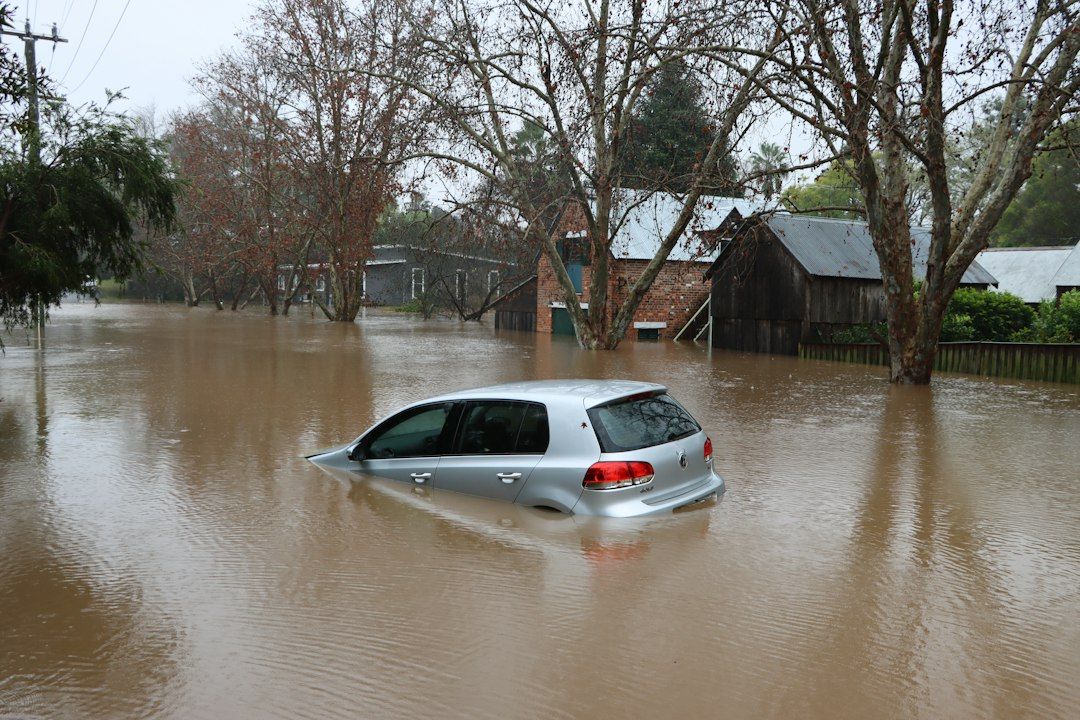
Many homeowners assume their standard policy covers rising water. It does not. The National Flood Insurance Program (NFIP) defines a flood as surface water that affects at least two acres or two properties. Anything that fits that definition is excluded under almost every homeowners policy.
Colorado has experienced more than 600 significant flood events since 2000, according to the Colorado Water Conservation Board. The 2013 Front Range flood alone caused roughly 2 billion dollars in damage, and FEMA paid more than 68 million dollars in NFIP claims. Those numbers illustrate why the state ranks in the top ten for flood-related Presidential Disaster Declarations even though it is landlocked.
Market trend: Private flood insurers have entered Colorado in force. The Insurance Information Institute reports that private carriers wrote nearly 19 percent of new policies statewide in 2023, up from 11 percent in 2019. Competition often means broader coverage limits and optional replacement-cost settlement, two features the standard NFIP policy lacks.
Regulatory backdrop:
- FEMA’s Special Flood Hazard Area (SFHA) is labeled Zone A or Zone V on Flood Insurance Rate Maps.
- Properties in an SFHA with a federally backed mortgage must carry flood insurance. This is what most people mean when they ask, “is flood insurance required in Colorado.”
- Outside an SFHA, coverage is voluntary unless a private lender imposes its own rule. Roughly 20 percent of all NFIP claims nationwide come from these “low-to-moderate” risk areas, according to FEMA.
When Coverage Is Required or Recommended
Mandatory Flood Insurance Colorado: Federal and Lending Rules
- You must buy flood insurance if your structure sits in Zone A or Zone V and you carry a mortgage from any federally regulated or insured lender.
- Coverage must equal the lesser of your loan balance or the NFIP maximum: 250,000 dollars for residential buildings and 500,000 dollars for commercial. Personal property (contents) can be insured separately.
- Lenders may require coverage in moderate-risk Zones B or X as a condition of financing, a practice that has grown after the 2018 banking guidance on climate risk.
Who Needs Flood Insurance in Colorado Even When It Is Not Required
- Homeowners in foothill communities like Morrison or Lyons, where steep topography funnels runoff.
- Renters in garden-level apartments near Cherry Creek. Contents policies are inexpensive and protect furniture, electronics, and heirlooms.
- Business owners with inventory stored at or below grade in places such as Pueblo’s Union Avenue Historic District, which sits near the Arkansas River.
- Owners of properties downstream from recent wildfires. Burn scars repel water and trigger flash floods for years after the flames are out.
Reading the Map: Flood Zones Simplified
- Zone A: High-risk riverine flooding. Base Flood Elevation (BFE) established.
- Zone AE: High-risk with known BFEs, common along the South Platte.
- Zone AO: Shallow flooding one to three feet deep, typical in urban drainages.
- Zone X (shaded): Moderate risk, 0.2 percent annual chance.
- Zone X (unshaded): Minimal risk, yet not risk-free. Visit the FEMA Flood Map Service Center or the Colorado Hazard Mapping System for parcel-level details.
Real-World Colorado Examples
- Longmont 2013: A couple outside the SFHA declined coverage. Six inches of water ruined their finished basement, causing 45,000 dollars in repairs. They paid out of pocket.
- Basalt 2021: After the Lake Christine Fire, a homeowner purchased private flood insurance for 400 dollars annually. A downslope debris flow triggered a claim of 28,700 dollars, covered in full.
- Denver Metro 2023: A small brewery in an X Zone chose a contents-only policy. A July storm backed up storm drains, and three inches of water damaged kegs and equipment. The NFIP paid 18,200 dollars.
Practical Insights and Next Steps
Actionable Steps for Homeowners
- Pull your declaration page. If it does not list a separate NFIP or private flood policy number, you are not covered.
- Confirm your zone. Mortgage companies sometimes misclassify properties, so obtain a Letter of Map Amendment (LOMA) if an elevation survey proves your building is above BFE.
- Compare NFIP and private options. Private carriers may offer higher building limits, replacement-cost coverage on contents, or waiting periods shorter than the NFIP’s 30 days.
Budget Considerations
- Average NFIP premium in Colorado: 793 dollars per year, per FEMA’s 2024 Risk Rating 2.0 data.
- Private flood policy: Ranges from 350 to 1,500 dollars, depending on building elevation, deductibles, and replacement-cost election. Tip: Raise the deductible to 5,000 dollars and install flood vents or a sump pump to lower your premium.
Business Continuity Tips
- Inventory cameras: Photograph equipment quarterly and store files in the cloud.
- Contingent loss planning: Ask vendors if they have flood exposures that could interrupt your supply chain.
- Ordinance or Law coverage: Look for a policy endorsement that pays the extra cost to meet updated building codes after a claim.
Future Trends to Watch
- Updated FIRMs: FEMA and the Colorado Water Conservation Board plan new digital maps for Mesa, Weld, and Larimer counties by 2026. Zones can change, and premiums will follow.
- Climate modeling: The CU Boulder Climate Center predicts a 10 percent increase in extreme precipitation days by 2050, making the “hundred-year flood” label less reliable.
- Congressional reform: Several bills aim to lift the NFIP dwelling limit above 250,000 dollars, which would benefit high-value mountain properties.
Conclusion
So, do you need flood insurance in Colorado? If your lender mandates it, the decision is made for you. If not, the question becomes how comfortable you are gambling with rising water that homeowners insurance will not touch. The cost of a policy is often less than the price of new flooring, and claims data shows that properties outside high-risk zones are not immune. Whether you are a new homeowner, a seasoned landlord, or an entrepreneur protecting a storefront, flood insurance is a practical tool for financial peace of mind in a state where the only predictable thing about weather is its unpredictability.
5280 Insurance Agency
Ready to protect what you have worked so hard to build? Contact 5280 Insurance Agency for a no-pressure review of your current policies, a clear explanation of your flood-zone status, and quotes from both NFIP and leading private carriers. Our RamseyTrusted team will walk you through the numbers, help you close gaps, and craft a plan that keeps your family or business moving forward even when the water starts to rise. Reach out today and put a Personal CFO on your side.
About the author
Matt Morand, CIC, CRM, LUTCF, and the 5280 team share practical guidance drawn from insurance, risk management, financial services, and client education experience.
Have a question about this topic?
Talk with the 5280 team about the context, tradeoffs, and next step that fit your situation.