
Comparing Home Insurance Rates by ZIP Code: Why Neighbors Pay Different Prices
If you have ever plugged your address into an online quote form and thought, “How is my premium higher than my neighbor’s?”, you are not imagining it. In most states, insurers use highly specific, location based rating. A ZIP code can capture wildfire, hail, flood, and rebuild cost differences.
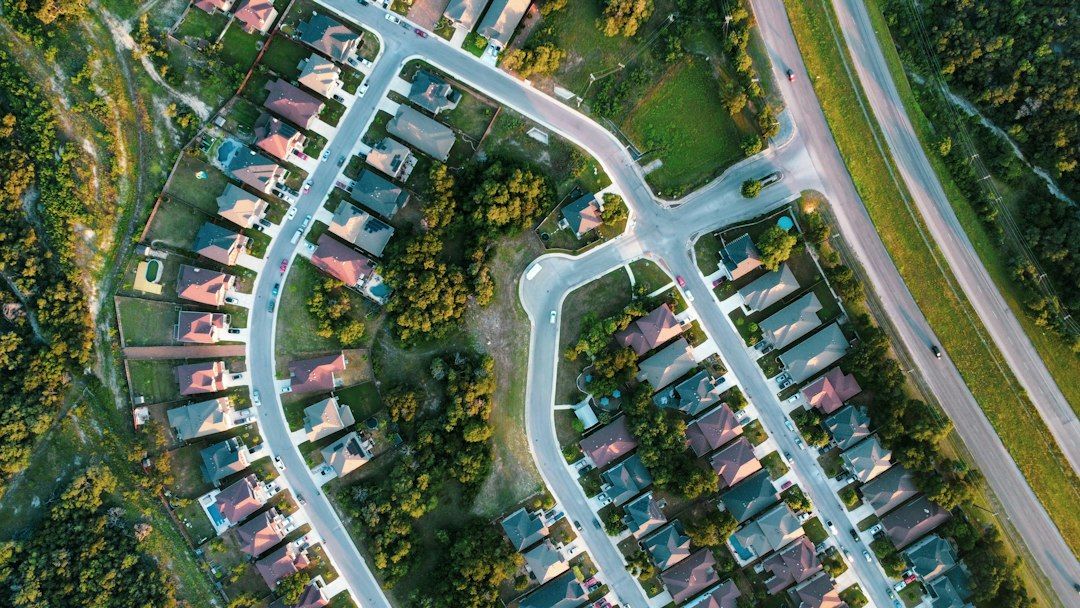
Home Insurance
By Matt Morand & Team · Published
2/1/2026
Why neighbors can pay wildly different home insurance rates (even on the same street)
If you have ever plugged your address into an online quote form and thought, “How is my premium higher than my neighbor’s?”, you are not imagining it. In most states, insurers use location based rating that gets very specific. A ZIP code can capture differences in wildfire exposure, hail patterns, distance to a fire station, flooding history, rebuilding costs, and even local claim frequency. In other words, when you compare home insurance rates by ZIP code, you are really comparing risk and cost, not just companies.
At 5280 Insurance Agency, we see this every week in Colorado. Two homes can look identical, but if one sits closer to open space with higher wildfire risk or in a hail heavy corridor, the pricing can separate fast.
Comparing home insurance rates by ZIP code: what insurers are actually pricing
When people ask me why ZIP codes matter, I explain it like this: insurers are pricing the probability of a claim and the size of a claim. ZIP code is one of the quickest ways to estimate both.
Here are the biggest location driven levers behind home compare insurance results:
- Catastrophe risk (hail, wildfire, wind, and other weather patterns): Severe weather losses have been a major pressure on home insurance pricing nationwide. A recent U.S. Treasury report based on insurer and regulator data found premiums vary significantly by region and ZIP code, and that homeowners in the highest climate risk ZIP codes paid materially more than those in the lowest risk ZIP codes. U.S. Treasury’s homeowners insurance report findings
- Flood risk and mapping: Flood is excluded from standard homeowners insurance, but flood exposure still affects underwriting appetite and sometimes pricing signals. FEMA’s guidance emphasizes checking your property level flood risk and flood zone using the Flood Map Service Center, because flood zones reflect differing levels of risk. FEMA flood maps and “Know Your Flood Risk” guidance
- Rebuild cost differences by area: Two ZIP codes can have very different labor availability, permit costs, and material costs. Even within the Denver metro, I see big swings based on contractor demand and local building standards.
- Local claim frequency and severity: ZIP codes develop reputations in the data. If a hailstorm repeatedly hits one area, the claims history can follow that territory for years.
- Fire protection class and response time: Proximity to a hydrant, fire station distance, and overall community fire protection can influence eligibility and pricing.
- Legal and regulatory environment by state (and sometimes by company): Rates are filed and regulated at the state level, but the “territories” insurers use often slice through cities and suburbs in ways that look a lot like ZIP code boundaries. If you want the broader framework for evaluating carriers and real world fit (not just price), our guide on shopping for home and auto insurance the smart way is a helpful companion to this article.
How to use a home insurance comparison tool without getting misled
A good home insurance comparison tool can be a great starting point, but only if you treat it like a “first pass,” not a final answer. Here is the process we recommend to clients who want to compare cheap home insurance while still protecting the roof over their heads.
Step 1: Quote by address, not just ZIP code
Many tools start with ZIP code, but underwriting is address level. The same ZIP can include very different risks (think: homes near a creek versus homes on higher ground). Always run quotes using the full address.
For additional context on how tools work and where they can fall short, see home insurance comparison tools: turning instant quotes into smart choices.
Step 2: Keep coverage consistent across every quote
This is the number one mistake I see when people “shop” online. One quote includes replacement cost on the dwelling and higher liability limits, another is bare bones, and the cheaper one “wins” by default.
When you run quotes, lock in these items first:
- Dwelling coverage (Coverage A): Make sure it is replacement cost aligned, not just “close to your home value.”
- Deductibles: Wind or hail deductibles can be separate in some places. Match them.
- Personal property and loss of use: Underinsuring these can backfire after a claim.
- Liability: A low liability limit is a common way a quote gets artificially cheaper. If you want a plain English walkthrough of what is normally included, start with understanding what homeowners insurance covers and common exclusions in homeowners insurance policies.
Step 3: Stress test the quote against local risks
If you live in Colorado, we should assume hail is a real possibility and wildfire smoke and ember spread can be relevant depending on the area. A “cheap” quote that looks great on paper can be missing the endorsements that matter in your ZIP code.
Two examples I often bring up:
- Hail prone ZIP codes: If the carrier is heavily restricting roof coverage or applying a cosmetic damage limitation, the premium might look attractive but the claim outcome could be painful.
- Wildfire adjacent ZIP codes: A policy that is strict on brush clearance or has tight underwriting rules could become a nonrenewal risk later, even if the first year price looks fine.
Step 4: Look beyond year one pricing
Some companies price aggressively to win business, then tighten underwriting or increase rates after loss trends develop. That is exactly why the Treasury data highlighted how costs and availability can shift by ZIP code in higher risk areas. U.S. Treasury analysis of ZIP code level variation
Step 5: Use an independent agent to compare “like for like” across carriers
Online tools are convenient, but they cannot always translate the fine print differences that matter in a claim. As an independent agency, we can often show you multiple carrier options with the same coverage structure, then explain why one is cheaper (and whether that cheaper option is actually smart).
If you are shopping across state lines or you own multiple properties, our guide to home insurance comparison and quotes across states can help you stay organized.
Real world examples of why ZIP code pricing changes (and what to do about it)
These are common “neighbor premium gap” scenarios we see, along with practical fixes.
Scenario 1: Same ZIP, different rebuild cost signals
Even within one ZIP, rebuild costs can vary based on home style and local contractor demand. Make sure your dwelling limit is based on replacement cost, not market value. If you overshoot, you might be paying more than necessary. If you undershoot, you risk coinsurance penalties or an ugly surprise at claim time.
Action steps:
- Ask for a replacement cost estimate review.
- Confirm whether the policy includes extended replacement cost and how it is applied.
Scenario 2: Flood adjacency and misinformation
Flood is the classic example of “my neighbor says it’s not required, so I’m fine.” FEMA’s tools allow you to look up your flood zone by address, and flood zones are defined by differing risk levels. FEMA flood zone lookup guidance
Action steps:
- Check your flood zone using FEMA.
- If you are near a drainageway, creek, or burn scar area, consider a flood quote even if not required by a lender. If you want a deeper Colorado specific read, see flood insurance in Colorado: complete homeowner’s guide.
Scenario 3: “Cheap” quote that is cheap because the roof settlement is weaker
A big driver of claim dollars in hail states is the roof. Some policies settle roofs differently based on roof age or add special deductibles. That can lower premium, but it also shifts more cost to you.
Action steps:
- Ask whether roof coverage is replacement cost or actual cash value (ACV) once the roof is past a certain age.
- Match deductibles before you decide you found “the cheapest.” For homeowners who want to understand the claim experience before they shop, read homeowners insurance claims: step-by-step process.
My professional take: how to shop by ZIP code without overpaying or underinsuring
If your goal is to compare home insurance rates by ZIP code and actually learn something useful from it, here is the mindset I recommend.
- Treat price differences as a clue. When one quote is far cheaper, ask “what risk is being priced differently or excluded?” not “how do I buy it faster?”
- Anchor to outcomes, not premiums. The moment that matters is the claim. The right policy is the one that pays as expected when a hailstorm hits or a pipe bursts.
- Re shop after life and property changes. New roof, remodel, finished basement, added dog, work from home business use. These change your risk profile and the carrier appetite.
- Use an annual coverage checkup. Many homeowners set it and forget it. In a market where costs and availability are shifting, we have found annual reviews are one of the best ways to keep coverage aligned. For a broader perspective on shopping across tools and big brands without getting boxed in, you can also read online insurance quotes and national brands: how to use them (without getting boxed in).
Bottom line: ZIP codes do not just change the price, they change the risk story
Yes, you can absolutely compare cheap home insurance, and you should. But when you home compare insurance options, the goal is not simply to find the lowest premium in your ZIP code. The goal is to understand why the price differs, then choose coverage that matches the risks where your home actually sits.
ZIP codes influence everything from catastrophe exposure to rebuild costs, and national data confirms that premiums and availability can vary materially from one ZIP code to the next. U.S. Treasury findings on ZIP code variation That is why a smart shopping process combines a good home insurance comparison tool with a coverage review that keeps you from buying a quote instead of buying protection.
5280 Insurance Agency
At 5280 Insurance Agency, we help Colorado homeowners make sense of the “why” behind their quotes so they can make a confident decision, not just a quick one. If you are trying to compare home insurance rates by ZIP code and the numbers do not add up, we can walk you through what is driving the differences, then shop multiple carriers for a true apples to apples comparison.
Ready to take the next step? Start with our quick form or reach out through our contact page and we will build you a personalized comparison that balances price, coverage, and long term fit. If you are looking for a quote that empowers your success and a team that thinks like a Personal CFO, we would love to help you protect what you have built.
About the author
Matt Morand, CIC, CRM, LUTCF, and the 5280 team share practical guidance drawn from insurance, risk management, financial services, and client education experience.
Have a question about this topic?
Talk with the 5280 team about the context, tradeoffs, and next step that fit your situation.